Ready to Work With a Seawater Desalination System Manufacturer?
Send us your water source, required capacity, vessel or project location, operation mode preference, and installation requirements. KYsearo can prepare a factory-direct technical proposal, customized RO desalination solution, and B2B quotation for your marine, offshore, island, or brackish water project.
That seems functional, however it is precariously incomplete, due to the fact that a Salt Water Desalination System is not a tank-and-pump item; it is a pressure, chemistry, membrane layer, energy, corrosion, and permit-risk maker that takes place to make fresh water when every weak component is controlled at the exact same time.
So what actually divides the best salt water desalination system from a quote that will end up being scrap steel in three years?
I’ll be blunt: the market has educated customers to contrast capability and price while hiding the two numbers that normally determine profit or pain– particular power usage and long-term membrane layer security. A reverse osmosis desalination plant can look cheap on day one and end up being costly every hour after commissioning.
The macro-pressure is genuine. UNESCO’s 2024 World Water Growth Record information claims 2.2 billion people lacked safely taken care of drinking water as of 2022, while dry spells impacted more than 1.4 billion individuals from 2002 to 2021. That is why desalination keeps relocating from “backup alternative” to conference room agenda. However need does not make poor design excellent. It just makes bad engineering much easier to offer.
Table of Contents
A Great System Starts With Actual Feedwater Information, Not Catalogue Ability
Here is the very first tough reality: “seawater” is not one feedwater.
Red Sea water, South China Sea water, Gulf seawater, island beach-well feed, harbor consumption water, and tropical algae-heavy feed are different pets. Salinity may sit near 35,000 mg/L TDS in normal salt water, but fouling habits, turbidity, boron, temperature, SDI, oil contamination, and seasonal biology can alter the entire design.
An excellent salt water reverse osmosis system ought to be sized from feedwater analysis, not hope. At minimum, I intend to see TDS, conductivity, pH, turbidity, SDI15, temperature level range, iron, manganese, calcium, magnesium, sulfate, silica, TOC, bacteria matter, and oil/grease threat. Without that, the vendor is guessing.
Thinking is pricey.
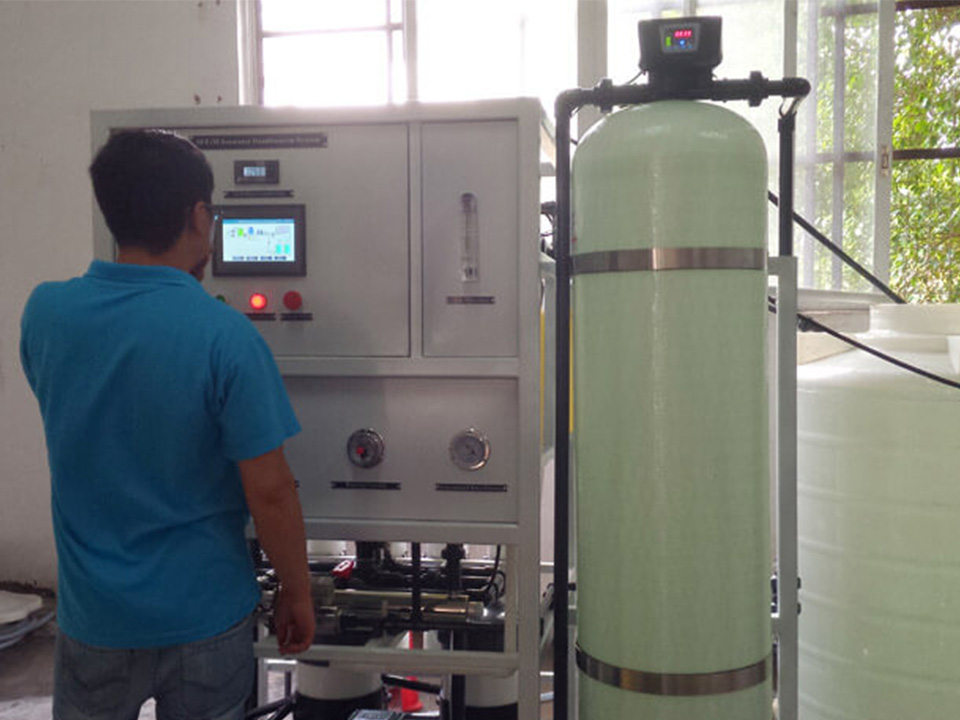
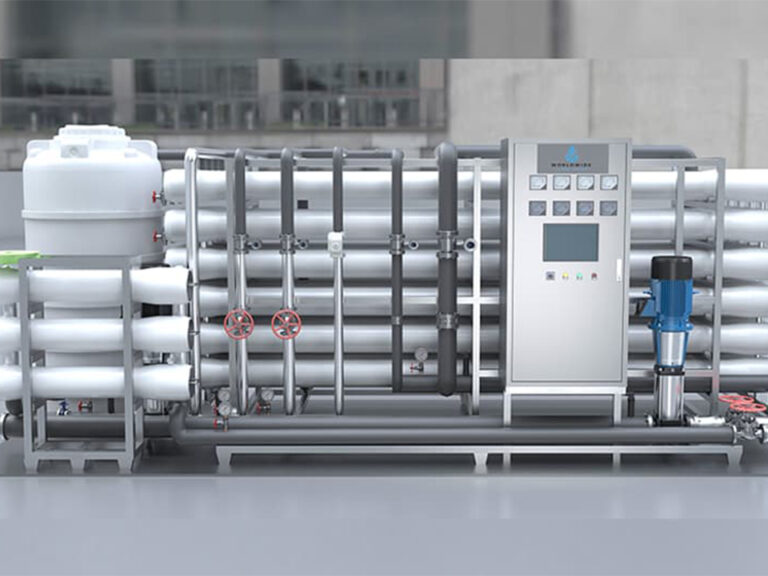
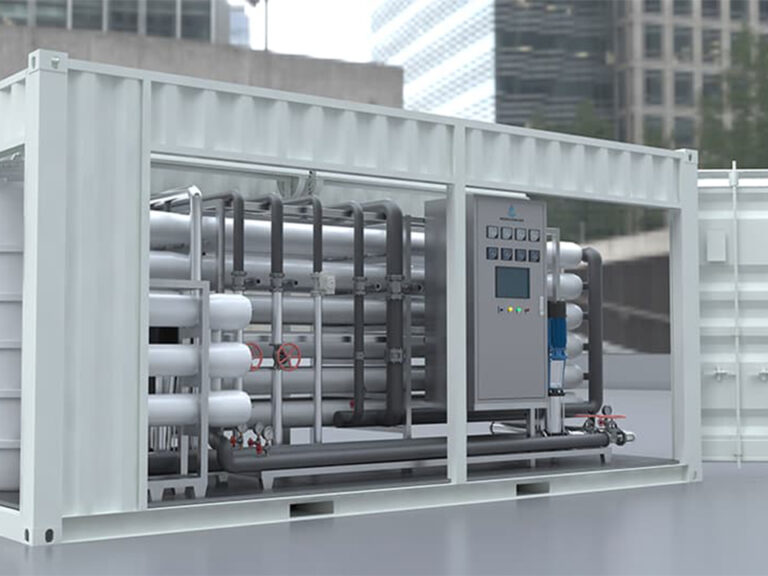
For smaller sized setups, containerized or compact systems such as a 2540 seawater desalination plant might be proper, yet just when feedwater top quality and everyday production needs fit the membrane layer setup. For larger flows, the discussion should move toward bigger membrane layer layouts and higher-flow pretreatment.
Function 1: Pretreatment That Protects Membranes Before They Become Targets
Pretreatment is where weak suppliers cut price initially.
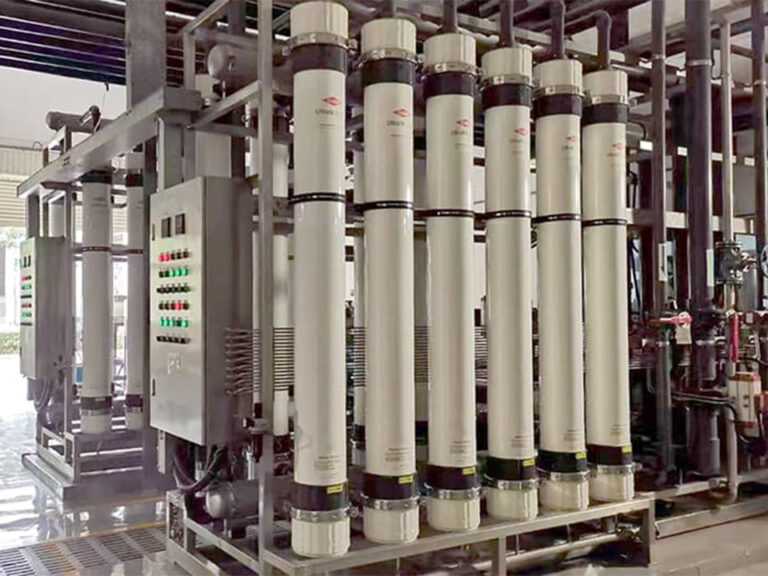
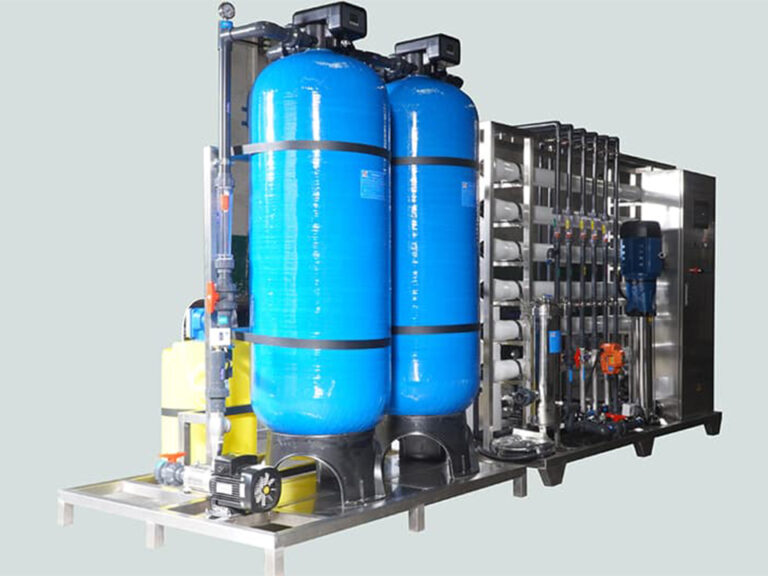
A respectable SWRO desalination system need to utilize a staged pretreatment train: intake screening, multimedia filtering or ultrafiltration where needed, cartridge filtering, antiscalant application, oxidation control, dechlorination when called for, and stress tracking across each stage. If the feedwater is naturally active, I would rather see conservative pretreatment than a heroic RO skid trying to survive unclean water.
Why?
Because RO membrane layers do not forgive. Put on hold solids elevate differential stress. Biology creates slime. Oxidants damage polyamide membranes. Scale blocks flow. When the membrane starts losing efficiency, drivers normally chase after the trouble with chemical cleansing, which ends up being a routine nobody allocated.
For larger business or manufacturing facility installments, a complete industrial and commercial RO water plant option is typically the more secure framework than getting a standalone RO skid with pretreatment dealt with as a device.
Feature 2: A Proper High-Pressure Pump And Power Recovery Gadget
Power is the costs that never stops arriving.
Modern salt water RO generally performs at high stress due to the fact that osmotic stress is not negotiable. If a supplier speaks about “low power” however can disappoint pump efficiency, recovery rate, stress setpoints, and whether an isobaric power recovery device is included, I quit trusting the proposition.
Purdue College’s 2024 discussion of functional minimum SWRO power use, based on research using 39 centers, reported that cutting edge approaches could remove 69% of excess power and future batch RO layouts might reduce 82% of excess power. Translation: energy design is not an explanation; it is one of one of the most economically significant features of a salt water desalination system.
Small reality, large bill.
A good system must define electric motor power, pump kind, VFD control, energy healing tool, anticipated kWh/m FIVE, running pressure array, and presumptions behind the numbers. If the distributor gives only “mounted power,” ask once more. Set up power is not intake.
Function 3: Membrane Layer Choice Matched To Salt Denial, Boron, And Healing
Not every RO membrane layer belongs in salt water desalination.
An excellent system uses seawater-rated RO membrane layers with proven salt rejection, stress tolerance, and compatibility with the operating recovery. For alcohol consumption water, boron can come to be a major concern, particularly in warm seawater and areas with tighter boron limits. That may require pH modification, second-pass RO, or membrane selection tuned for boron rejection.
I do not like common membrane language.
“Imported membrane layer” suggests absolutely nothing. Offer me brand name, design, salt being rejected percent, operating pressure, membrane layer area, number of aspects, vessel setup, projected permeate TDS, and cleaning limits. An honest membrane forecast is better than a glossy promise.
For mid-sized tasks, a 4040 seawater desalination plant frequently makes sense when the purchaser requires much more result than a small portable system however does not yet need a complete industrial 8040 selection.
Function 4: Recovery Price That Does Not Make Believe Chemistry Is Optional
Healing rate is where salesmanship obtains hideous.
If the system assures extremely high healing from seawater without clarifying scaling control, salt water concentration, membrane layer stress, energy fine, and discharge handling, be hesitant. More recuperation indicates less salt water volume, yes, yet it additionally indicates greater focus at the membrane layer surface, even more scaling threat, higher osmotic stress, and typically much more stress on the system.
A good industrial seawater desalination system need to state recovery plainly: 30%, 35%, 40%, 45%, or an additional warranted number. Then it should discuss why that recuperation is secure for the details feedwater.
The wrong recuperation rate does not fall short during the sales phone call. It falls short during summer season.
Feature 5: Brine Discharge Design That Can Survive Regulators
Nobody likes speaking about salt water.
However regulators do.
California’s State Water Resources Control Board says seawater desalination centers have to make use of feasible ideal offered measures to lower harm to marine life, with focus to site, design, innovation, and mitigation. It additionally states centers have to be located and designed to minimize damage over the operating lifetime. That is not marketing language. That is allowing reality.
The Carlsbad Desalination Plant is a useful study because it reveals both the scale and the examination. The golden state Water Boards explain it as the country’s biggest seawater desalination plant, generating 50 MGD of alcohol consumption water with reverse osmosis and producing brine roughly two times the salinity of the ocean.
So, no, salt water is not “just discharge.”
A significant reverse osmosis desalination plant should consist of brine circulation price, brine TDS price quote, discharge method, dilution method, chemical residuals, and neighborhood license assumptions. For islands, ships, seaside resorts, and commercial websites, this detail can decide whether the system operates legitimately or becomes an expensive container parked behind a fence.
Function 6: Corrosion Control In Every Damp And Salty Zone
Salt water consumes weak devices.
Rapid.
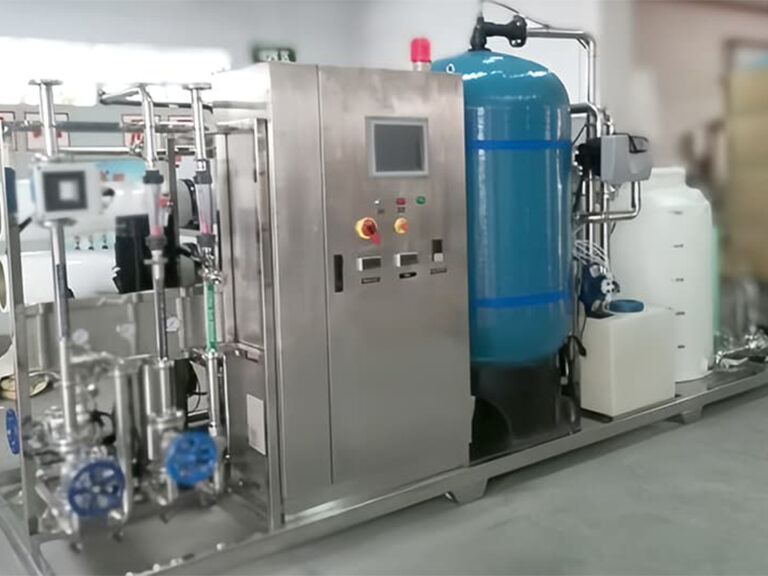
An excellent SWRO system uses corrosion-resistant materials where salt direct exposure is inescapable: duplex stainless-steel, 316L stainless steel in appropriate areas, FRP stress vessels, UPVC or HDPE low-pressure piping, epoxy-coated frames, marine-grade electric rooms, and sensible seclusion in between dissimilar metals.
Here is my viewpoint: many affordable systems do not die from membrane failure initially. They pass away from corrosion, vibration, dripping installations, rotten frameworks, and electrical cabinets that were never constructed for salt air.
Check out welds. Check out bolts. Check out pump bases. Look inside the cabinet. If the structure already appears like a concession in the manufacturing facility photo, imagine it after two downpour seasons.
Attribute 7: Automation That Assists Operators, Not Simply Sales Pamphlets
PLC control is insufficient.
A good seawater desalination system need to monitor inlet pressure, cartridge filter pressure decline, high-pressure pump status, RO inlet stress, concentrate pressure, permeate flow, concentrate flow, conductivity, pH where required, tank degree, alarms, purging cycles, and closure reasoning.
The most effective automation is burning out. It avoids stupid failings.
Low inlet stress? Quit the high-pressure pump. High penetrate conductivity? Alarm system and draw away. Pretreatment pressure drop expensive? Alert before membrane layer damage. Storage tank full? Stop manufacturing. Lengthy closure? Flush the membrane.
And remote tracking is no longer unique. For unmanned island, agriculture, hotel, and commercial tasks, remote mistake evaluation can conserve days of downtime.
Function 8: Post-Treatment That Makes Water Really Functional
RO penetrate is not immediately finished water.
For alcohol consumption water, post-treatment may include remineralization, pH modification, calcite filtering, sodium hydroxide application, UV sterilization, chlorination, or final storage space sanitation. For boilers, tank farming, food processing, concrete batching, or electronics, post-treatment targets alter.
This is why “excellent water” is not a technical specification.
A buyer should specify the target: alcohol consumption water criterion, watering salinity, procedure water conductivity, boiler feed pretreatment, or blending water. After that the system should be built backwards from that target.
For alcohol consumption and storage applications, coupling desalination with UV water sterilizer ultraviolet disinfection can be reasonable, especially where cured water sits in containers under warm problems.
Feature 9: Scalable Layout, Particularly For Commercial Customers
A system that can not scale comes to be a bottleneck.
For small customers, a small seawater desalination system may be enough. For manufacturing facilities, resorts, ports, nuclear power plant, extracting camps, farming bases, and municipal back-up supply, modularity issues. The better design permits future membrane layer financial institutions, pretreatment development, identical skids, container upgrades, and improved post-treatment.
An 8040 reverse osmosis device normally fits larger industrial circulations better than small-element systems because 8040 membranes minimize the complexity of scaling up production. Less pressure vessels for the exact same capacity can mean cleaner hydraulics and less complicated maintenance, thinking the pretreatment and pump design are equally fully grown.
However bigger is not constantly smarter.
If your operation requires 20 m FOUR/ day, do not buy like you require 500 m FOUR/ day. If you require 500 m TWO/ day, do not pretend a small skid farm is a plant.
Attribute 10: Paperwork, Spare Parts, And Appointing Support
This is where the novices expose themselves.
An excellent vendor must supply a P&ID, electrical diagram, membrane projection, operation manual, consumables checklist, advised extra parts, chemical dosing plan, upkeep routine, installment demands, and commissioning treatment. If they can not supply documents before delivery, they most likely will not give discipline after shipment.
I prefer to buy a slightly more costly system with clear drawings, traceable components, and actual assistance than a less expensive one that turns every alarm system into a presuming game.
Exactly how To Select A Salt Water Desalination System Without Obtaining Played
Begin with the water record.
After that demand the projection.
Afterwards, compare energy, healing, membrane version, pretreatment, salt water discharge, and assistance terms. Price comes later on. I recognize procurement groups hate listening to that, however buying the lowest-cost SWRO desalination system without examining kWh/m six and membrane layer replacement presumptions is not savings. It is deferred loss.
For many seaside, island, marine, and commercial customers, the useful starting point is a committed sea water turn around osmosis system SWRO desalination plant instead of a generic RO system modified for saltwater service. The difference matters. Seawater is not briny water with attitude; it is a harsher design situation.
The U.S. Bureau of Improvement’s WaterSMART desalination financing task in 2023 and 2024 likewise tells us something: federal governments are still moneying planning, feasibility, reusing, and desalination jobs since drought-resistant supply has relocated from concept into infrastructure policy. In September 2023, Recovery provided $28.97 million for 31 planning tasks and referenced FY23/FY24 financing home windows facing September 2024.
That is the signal. The marketplace is not waiting.
But the winners will certainly not be the customers who acquire the shiniest skid. They will certainly be the ones who ask ugly inquiries early.
FAQs
What are the features of a great seawater desalination system?
A great seawater desalination system has appropriate pretreatment, seawater-rated RO membranes, reliable high-pressure pumping, power recuperation, regulated recovery price, salt water management, corrosion-resistant products, smart automation, appropriate post-treatment, and total technological documents for procedure and maintenance. These functions collaborate since seawater desalination falls short as a system, not as isolated parts.
After that definition, I would certainly add another buyer-side guideline: request for numbers, not adjectives. “High quality,” “energy saving,” and “steady” mean very little unless the supplier shows predicted penetrate TDS, healing price, operating stress, kWh/m FIVE, membrane version, and pretreatment style.
Exactly how does a salt water reverse osmosis system work?
A salt water reverse osmosis system forces high-salinity seawater with semi-permeable RO membranes under high pressure, permitting water particles to pass while turning down salts, minerals, and several contaminations. The process produces low-salinity permeate on one side and focused salt water on the other, normally with pretreatment prior to RO and post-treatment after RO.
In practical terms, the system is a chain: consumption, pretreatment, high-pressure pump, RO membrane layer range, energy recovery, penetrate conditioning, storage, and brine discharge. Damage one link and the whole plant becomes unstable.
What is the very best seawater desalination system for industrial use?
The best seawater desalination system for industrial use is a properly crafted SWRO plant based on feedwater evaluation, target water high quality, daily capability, running hours, power expense, brine guidelines, and maintenance capability. For larger circulations, 8040 membrane systems with strong pretreatment and power healing normally surpass little modular skids.
However “ideal” is not global. A fish farm, hotel, drink plant, central heating boiler space, island area, and mining camp might all need various post-treatment, storage space, redundancy, and automation. Any person marketing one typical response is skipping the engineering.
Just how do I choose a salt water desalination system?
To select a seawater desalination system, first define feedwater high quality, needed outcome capacity, target permeate top quality, offered power, brine discharge restrictions, operating routine, and upkeep sources. Then contrast providers by membrane projection, pretreatment design, power intake, recovery price, part brands, deterioration protection, paperwork, and appointing support.
Do not begin with cost. Beginning with danger. The most inexpensive quote often excludes the exact products that make the system endure: pretreatment, power recuperation, appropriate instruments, corrosion-resistant products, extra parts, and actual engineering files.
Is a solar seawater desalination device practical?
A solar salt water desalination device is practical when manufacturing demand, sunlight schedule, battery or hybrid-power style, operating pressure, and storage space volume are reasonably matched. Solar can lower grid reliance, however salt water RO still requires steady high-pressure pumping, so power design have to be engineered very carefully instead of treated as an easy panel add-on.
For remote islands, watercrafts, coastal farms, and emergency water, solar-assisted desalination can be eye-catching. Still, I would inspect day-to-day water demand against worst-month solar generation, not best-month advertising and marketing result.
Final Word: Purchase The System, Not The Sales Story
A great Salt water Desalination System is not magic. It is disciplined design under pressure.
My functional advice is straightforward: deny unclear quotes. Ask for the feedwater assumptions, membrane layer forecast, energy price quote, recovery rate, brine plan, material checklist, electric representation, and extra parts routine. A major distributor will certainly appreciate those concerns. A weak one will call you challenging.
Good. Be difficult.
For project sizing, engineering review, or a tailored SWRO/BWRO configuration, start with a complete water reverse osmosis system desalination plant remedy and force the design discussion around actual water, actual numbers, and genuine operating conditions.
Kysearo is a leading water treatment manufacturing company based in China, specializing in the design and manufacture of high-efficiency water treatment systems. With over 20 years of industry experience, we are dedicated to revitalizing various water sources, including seawater, well water, borehold, tap water, and underground water etc,.