-
No.4, Shijiaoju Street, Dukou Road, Xinzao Town, Panyu Dist, Guangzhou, Guangdong, 511436 China

Blog
Desalination Cost per Gallon: Energy, Technology, and Environmental Trade-Offs

Seawater desalination cost per gallon depends on technology, plant scale, energy prices, location, raw water quality, and capital investment. This article compares RO and thermal desalination costs, reviews major global desalination plants, and explains why future costs may decline through energy optimization, larger projects, and new membrane technologies.
Where does Salt Go After Seawater Desalination?

Salt from seawater desalination is usually discharged as concentrated brine, recovered through evaporation or crystallization, or reused as industrial salt and mineral resources. This article explains the environmental impacts of brine on oceans, soil, and plants, while highlighting safer salt management methods and emerging recovery technologies.
What are the Advantages and Disadvantages Solar Water Desalination Plant?

Solar powered seawater desalination plants use solar thermal energy or photovoltaic electricity to convert seawater into freshwater. This article explains how solar desalination works, its advantages, limitations, maintenance needs, and future prospects in materials, energy storage, system integration, and cost reduction.
What Are the Challenges for Seawater Reverse Osmosis System?

Seawater reverse osmosis systems provide freshwater for islands and arid regions, but they face challenges such as high energy consumption, membrane fouling, pretreatment complexity, and concentrated brine discharge. This article explains SWRO system impacts and optimization measures, including energy recovery devices, improved pretreatment, fouling monitoring, brine management, and intelligent control.
What is Reverse Osmosis Water Purification Plant?

Reverse osmosis water purification plants use high-pressure semi-permeable membranes to remove dissolved salts, heavy metals, microorganisms, and organic contaminants from water. This article explains RO advantages, limitations, maintenance needs, wastewater concerns, and efficiency optimization for residential, commercial, and industrial applications.
10 Facts and Future Prospects for Seawater Desalination Plant

Seawater desalination is becoming a strategic solution for global water security as freshwater demand rises and climate risks intensify. This article explains 10 essential facts about desalination, including RO technology, global applications, brine discharge, energy use, cost reduction, and future sustainable trends.
Can Ocean Water be Converted to Drinking Water? Comparing RO vs. Thermal Technologies

Seawater desalination technology separates salts and minerals from seawater through thermal evaporation or reverse osmosis membrane filtration. This article explains why seawater can become drinking water, compares thermal and membrane desalination, and discusses energy use, brine discharge, and sustainable development.
8T/H Two Pass RO Electroplating Ultra Pure Water System

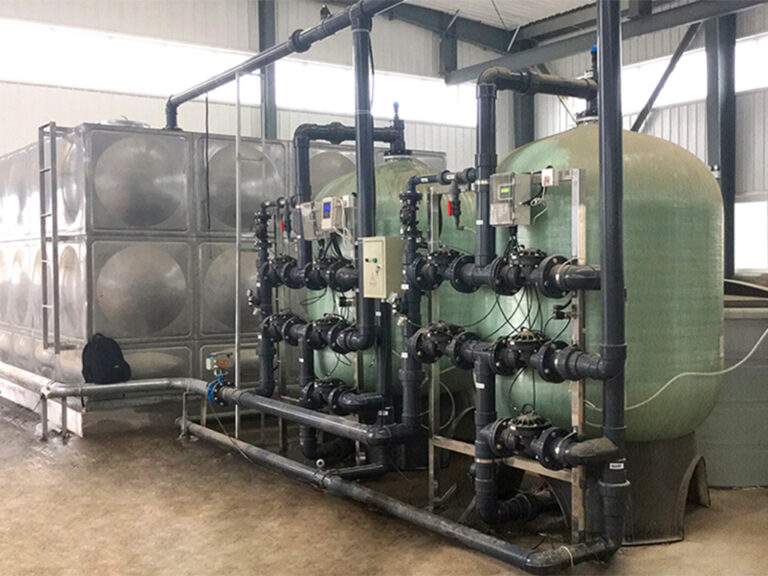
This electroplating pure water system uses MMF, activated carbon filtration, dosing, security filtration, two-stage RO, UV sterilization, and CIP cleaning to produce high-purity process water. Designed for automotive parts electroplating, it helps control conductivity, hardness, silica, bacteria, and residual ions to improve coating adhesion and reduce plating defects.
30T/H Well Water Softening Equipment Treatment Project in Indonesia

This Indonesia water softening equipment project uses a dual-unit ion exchange resin system to treat high-hardness well water at 30m³/h. With one softener in operation and one on standby, the system provides continuous softened water while reducing scale buildup in pipes, production equipment, and downstream filtration systems.
25,000 gallon/Day BWRO 19,000 gallon/Day SWRO Plant in the Unite States

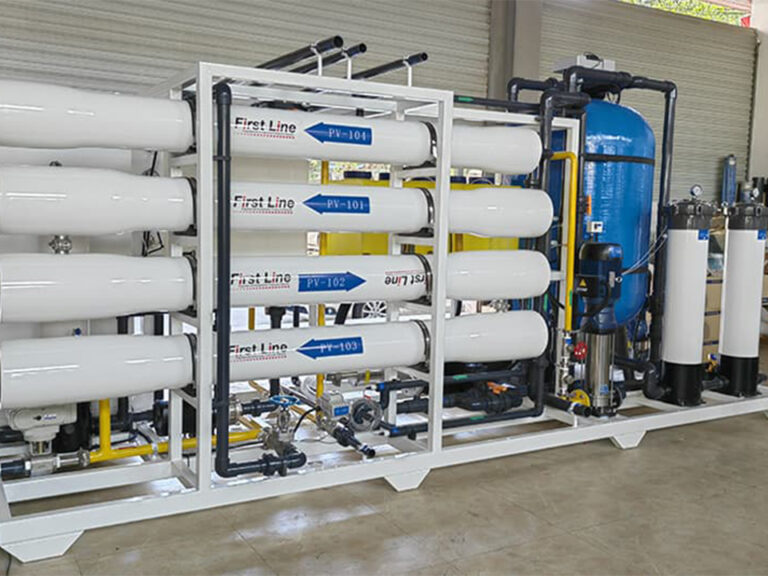
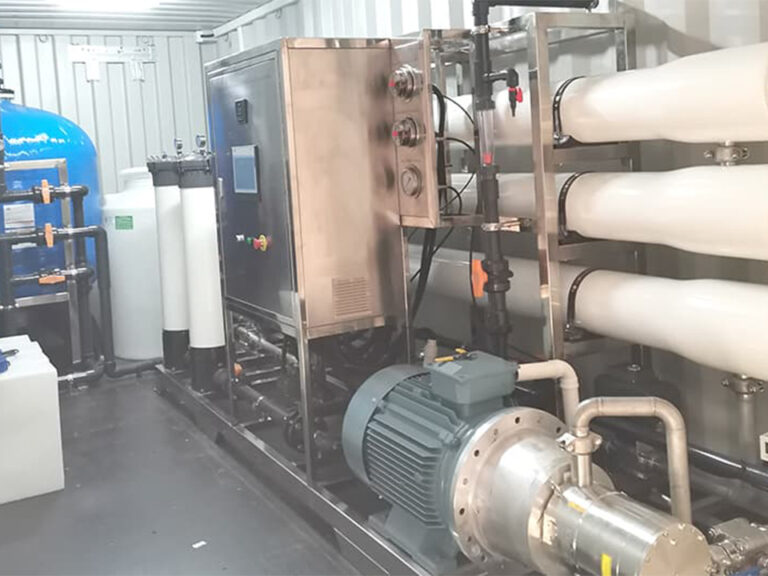
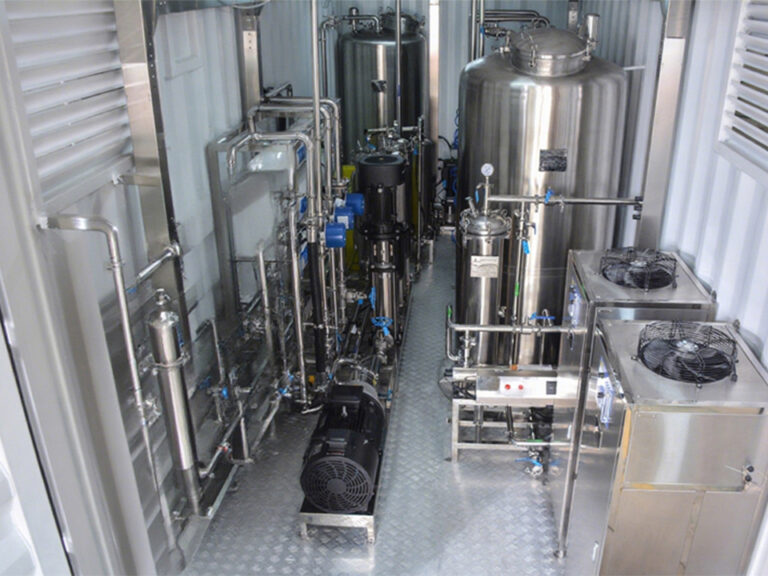
This 40HQ containerized SWRO & BWRO water purification system treats seawater and brackish water for drinking, industrial, and agricultural use. With RO membranes, pretreatment, UV sterilization, ozone nano-bubbles, CIP cleaning, and post-treatment filtration, it delivers reliable freshwater from high-TDS raw water.
2000 Litres/Hour Solar Seawater Desalination Machine In The Philippines

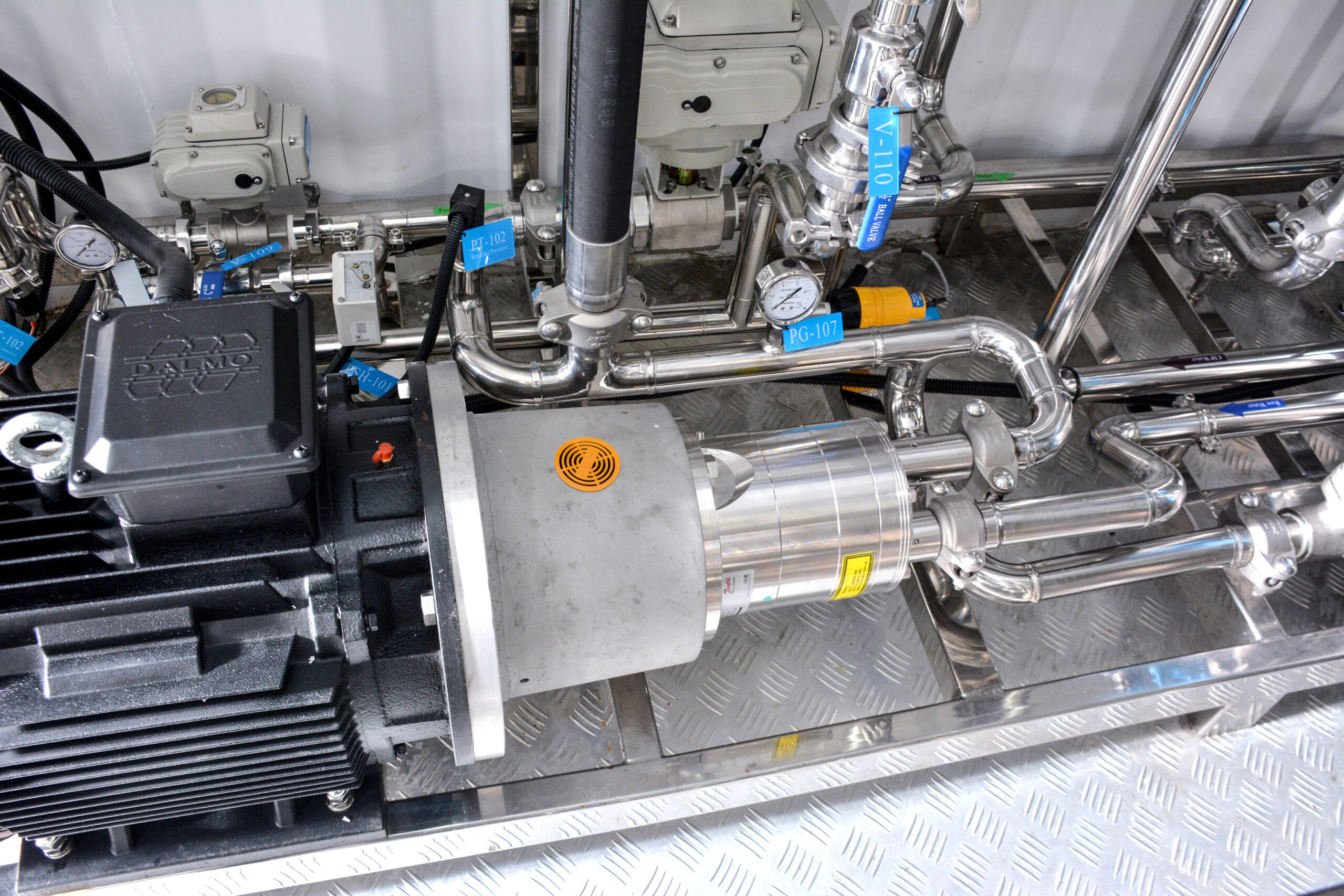
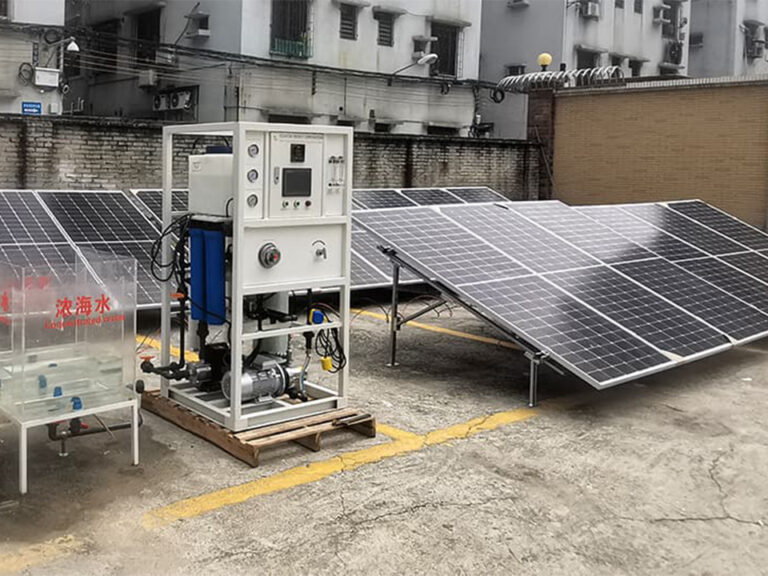
This Philippines solar seawater desalination machine converts high-salinity seawater into safe drinking water using pretreatment, Toray SWRO membranes, Danfoss high-pressure pumping, UV sterilization, and PLC control. Powered by a 40kW off-grid solar system, the 2m³/h plant reduces reliance on traditional electricity while providing coastal communities with a stable freshwater supply.
40Ton Per Day Sea Water Reverse Osmosis System in the Philippines

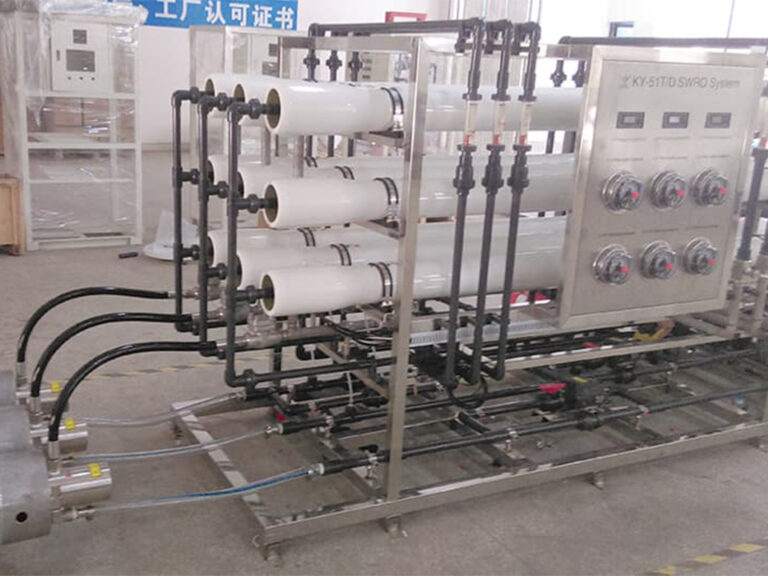
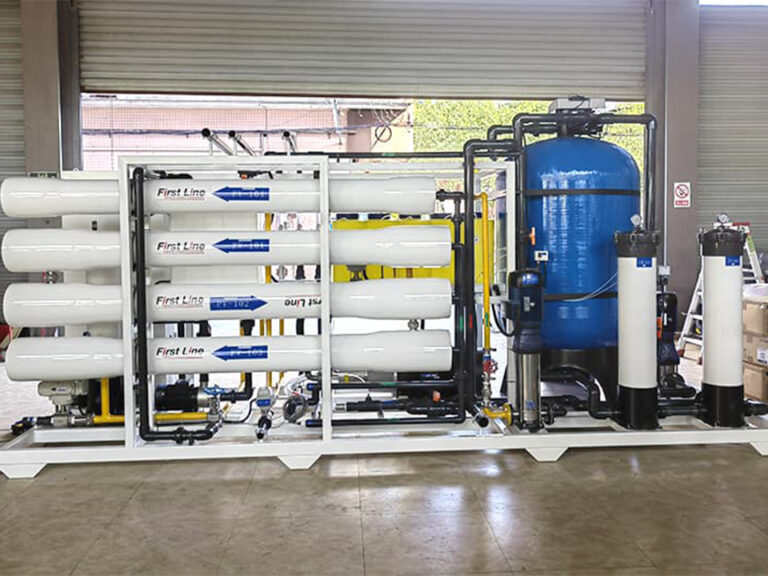
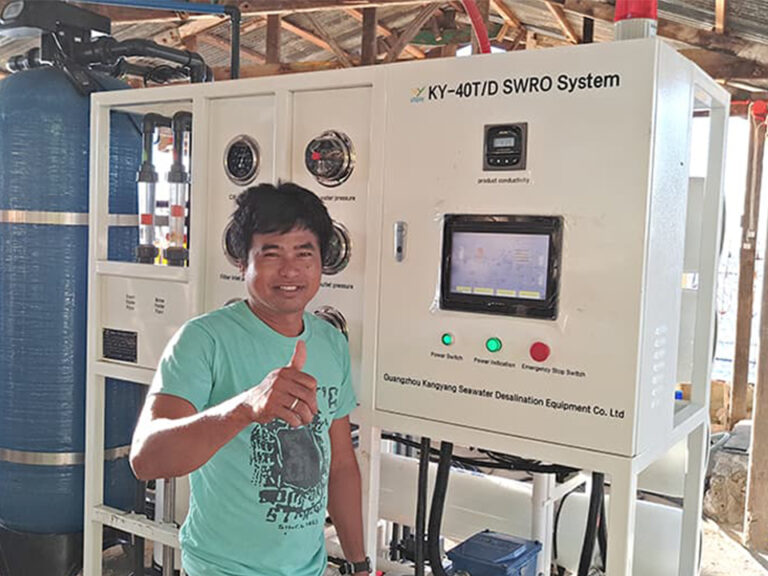
This Bohol Island seawater reverse osmosis system is designed to solve seasonal freshwater shortages caused by seawater intrusion and high-TDS groundwater. The 40m³/day SWRO plant uses pretreatment, DOW RO membranes, smart PLC control, solar backup, and brine reuse to support a 200-person island community.
Kysearo is a leading water treatment manufacturing company based in China, specializing in the design and manufacture of high-efficiency water treatment systems.
With over 20 years of industry experience, we are dedicated to revitalizing various water sources, including seawater, well water, borehold, tap water, and underground water etc,.
Products
Company
Contact