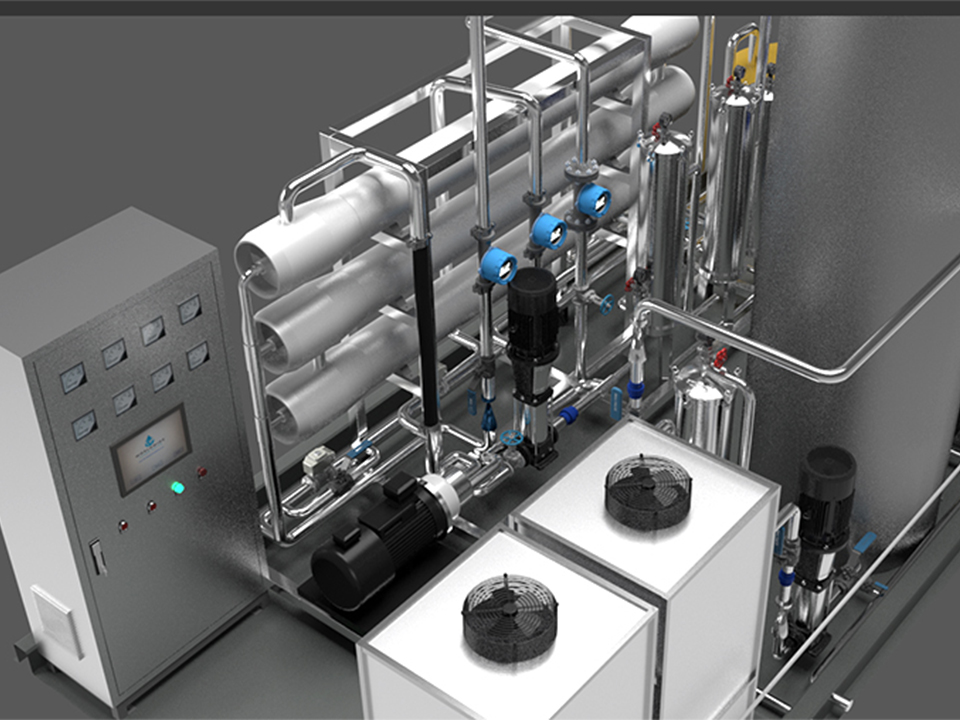
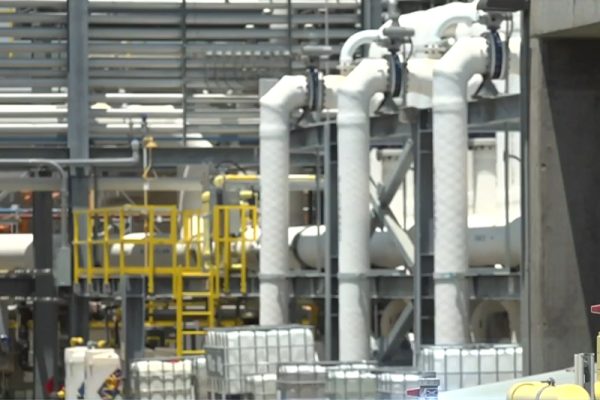
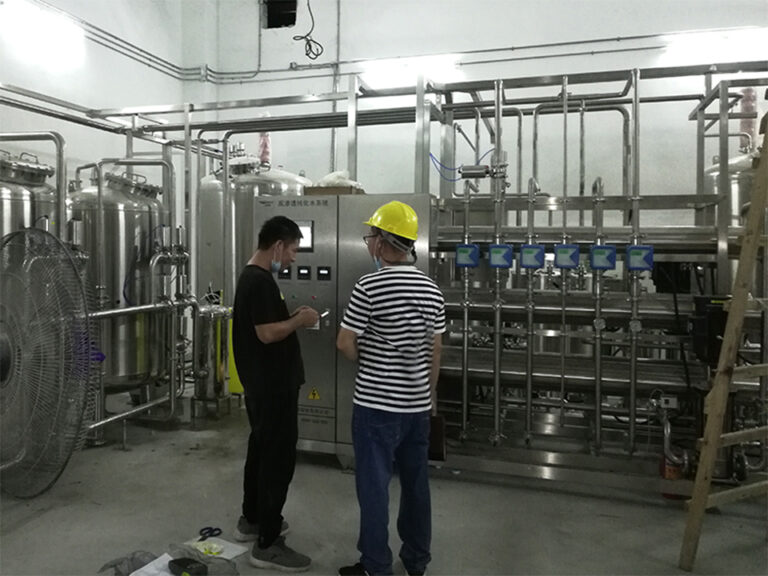
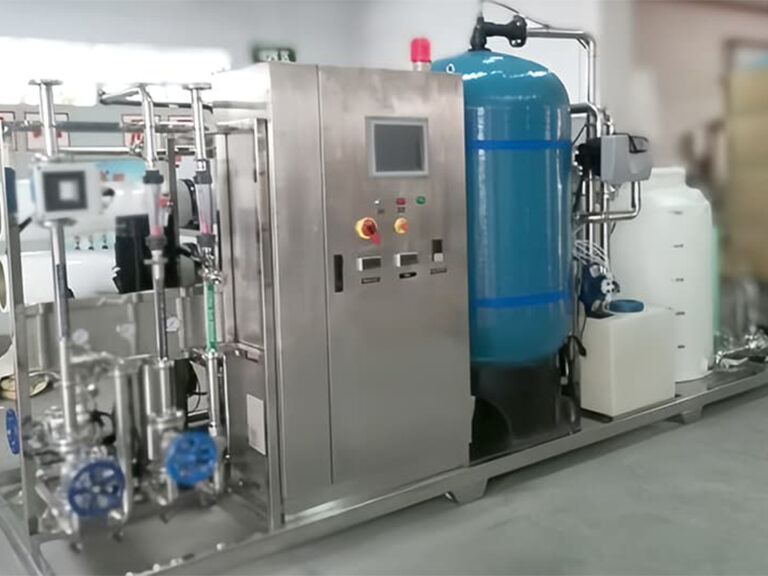
Ready to Work With a Seawater Desalination System Manufacturer?
Send us your water source, required capacity, vessel or project location, operation mode preference, and installation requirements. KYsearo can prepare a factory-direct technical proposal, customized RO desalination solution, and B2B quotation for your marine, offshore, island, or brackish water project.
Global freshwater resources account for only 0.325% of the earth’s total water, and desalination technology is becoming a key solution for coastal cities to solve the “water crisis”. This article reveals the comprehensive advantages of reverse osmosis in terms of efficiency, cost and sustainability through technology comparison, environmental assessment and economic analysis.
1. Water Intake System
The desalination plantadopts a cage-type water intake design that is 300 meters offshore and 25 meters deep. This technology controls the flow rate below 0.1m/s, which is much lower than the average flow rate in the Tasman Sea (1.5m/s), and successfully realizes zero involvement of marine organisms. Compared with the traditional shallow water intake, the microbial content in the deep water area is reduced by 67% , which guarantees the safety of water quality from the source.
2. Pre-treatment systems
Filtration Levels
Technical Means
Removal Rates
Primary
Tumbler Screen
99.8% suspended solids (>5mm)
Secondary Anthracite
Quartz Sand
94% Algae and Colloids
Tertiary
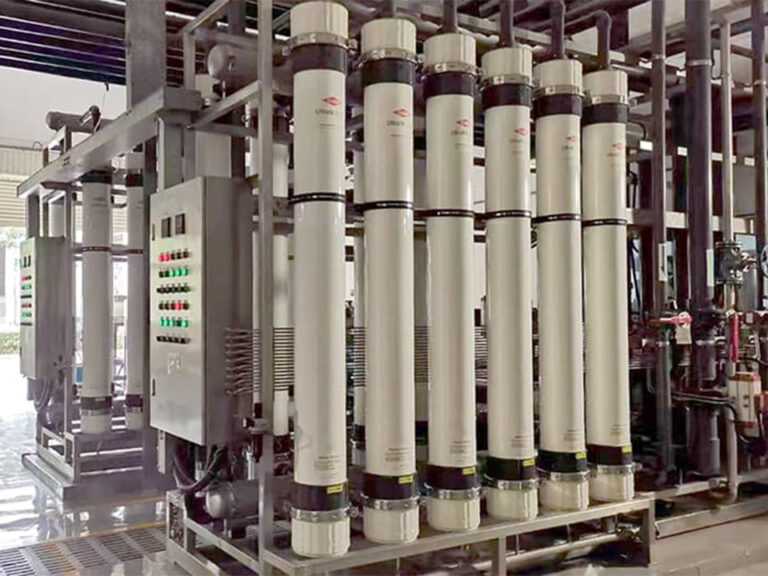
Ultra Filtration Membrane
Turbidity < 1NTU
The sludge produced by pretreatment is centrifuged and dewatered with a solid content of 25% (original data), which improves the processing efficiency by 3 times compared with the traditional sedimentation method.
3. Reverse Osmosis Technology
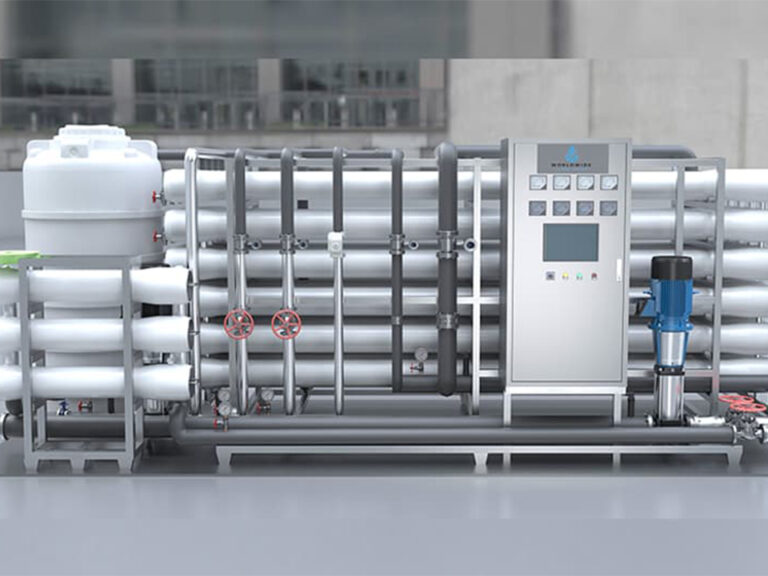
The desalination plant is equipped with 36,000 pieces of 8-inch composite membranes, achieving an average daily water production of 6,900 liters from a single membrane at 60 bar pressure. Compared with earlier cellulose acetate membranes, the desalination rate of polyamide membranes has increased from 98.5% to 99.7% . Conversion of concentrated water pressure for utilization through an energy recovery device (ERD) reduces power consumption to 3.8kWh per ton of water, saving 70% energy compared to traditional distillation.
4. Post-treatment
Calcium and magnesium adjustment: food grade calcium carbonate is added to raise the hardness to 80-120mg/L
pH balance: carbon dioxide injection to control the pH at 7.0-8.5
Disinfection treatment: 0.5ppm chloramine continuous bacterial inhibition. This process makes the boron content of effluent water <0.5mg/L, which is better than WHO standard (2.4mg/L).
5. Ecological optimization of concentrated brine discharge
Through the diffusion nozzle system , 58% of the concentrated brine (salinity ~6.5%) was completely mixed with seawater within 2 minutes, and monitoring showed that salinity returned to its natural level 500 meters away from the discharge . This design reduces the impact on benthic organisms by 82% compared to a direct discharge pipe .
6. Engineering Innovations in Pipeline Transmission and Distribution
The 18-kilometer dual pipeline system uses FRP lining technology, compared to traditional cast iron pipes:
Corrosion resistance increased by 15 times
Water loss reduced from 7% to 0.3%.
Maintenance cycle extended to 50 years
7. Comparative technical and economic analysis
Indicators Reverse Osmosis
Multi-stage Flash
Low
Temperature Multi-effect
Cost per ton of water (US$)
0.48
1.2
0.9
Construction period (months)
18
36
28
Carbon Emissions (kg/m³)
1.8
4.2
3.5
8. Global Application Prospects and Challenges
Reverse osmosis has captured 67% of the seawater market, but faces:
membrane contamination prevention and control: Sydney plant extends membrane life to 7 years with 0.1μm security filter
energy innovation: Saudi Arabia Rabigh 3 project combined with photovoltaic power generation to reduce energy consumption to 2.6kWh per ton of water.
Policy support: Australia’s Water Security Plan 2030 provides a 30% tax credit for desalination projects.
Summary
Modern desalination has broken through the shackles of “high energy consumption” to create a sustainable water solution through intelligent pre-treatment, high-efficiency membrane modules, and eco-discharge design. With advances in materials science and the integration of renewable energy sources, reverse osmosis has the potential to reduce the global cost of desalination by a further 40% by 2030 , and to provide a source of life for 2 billion coastal dwellers.
Kysearo is a leading water treatment manufacturing company based in China, specializing in the design and manufacture of high-efficiency water treatment systems. With over 20 years of industry experience, we are dedicated to revitalizing various water sources, including seawater, well water, borehold, tap water, and underground water etc,.